Distributed backoffice
Build one UI from multiple microservices.
Each service owns its own UI.
A shell composes everything into one application.
Why this case matters
This is one of Mateu’s most distinctive strengths.
Instead of building:
- a central frontend that integrates every service
- duplicated models across backend and frontend
- coordination-heavy UI ownership
you can let each service define its own UI and contribute it to a shared shell.
That gives you:
- clearer ownership by bounded context
- less frontend integration work
- one unified experience for the user
For the architectural background, see:
What this case teaches
- shell composition
- distributed UI ownership
- centralized navigation with decentralized modules
- no traditional frontend integration layer
1. Login and shell
Authentication can be handled centrally in the shell.
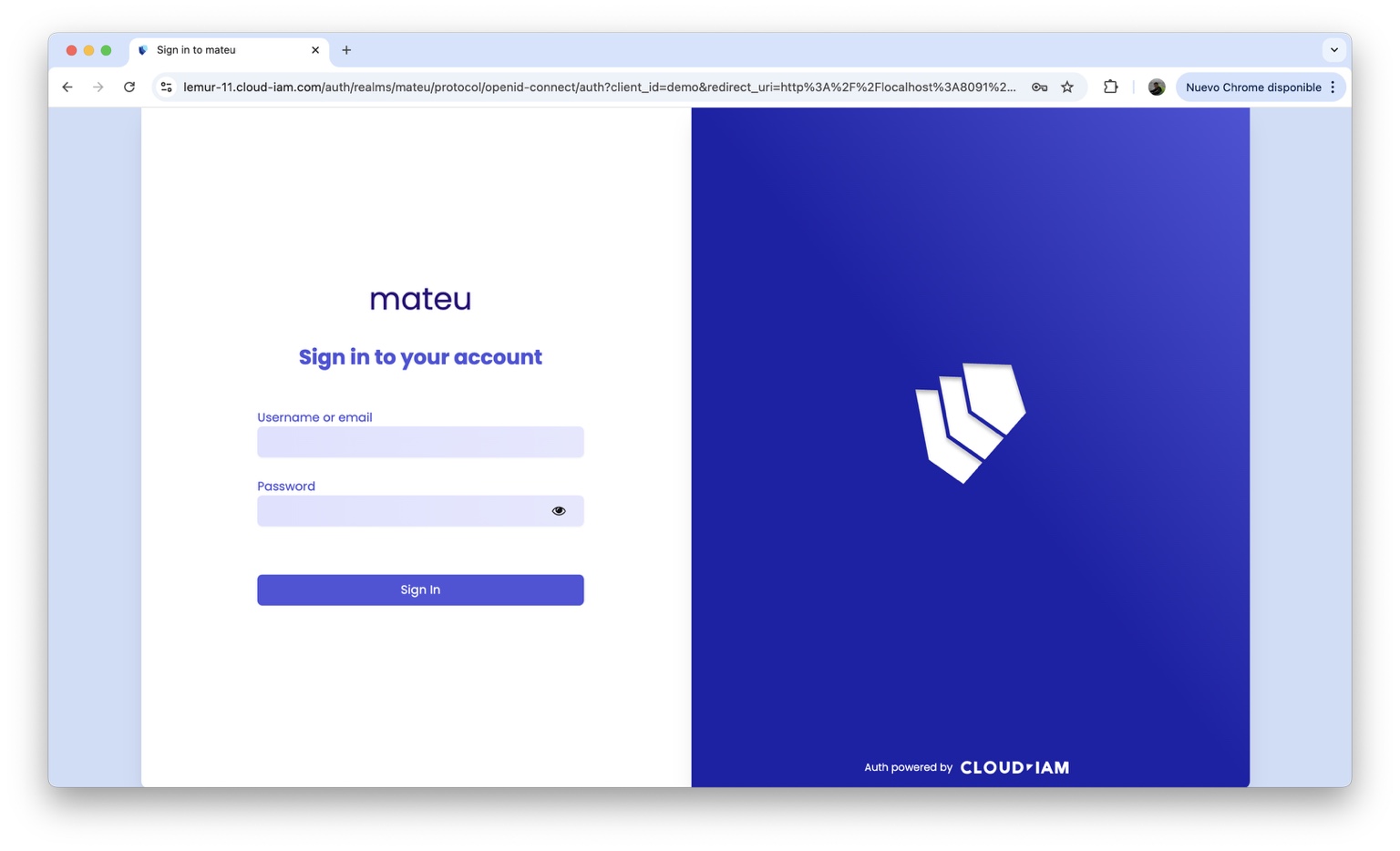
After login, users enter a single unified backoffice.
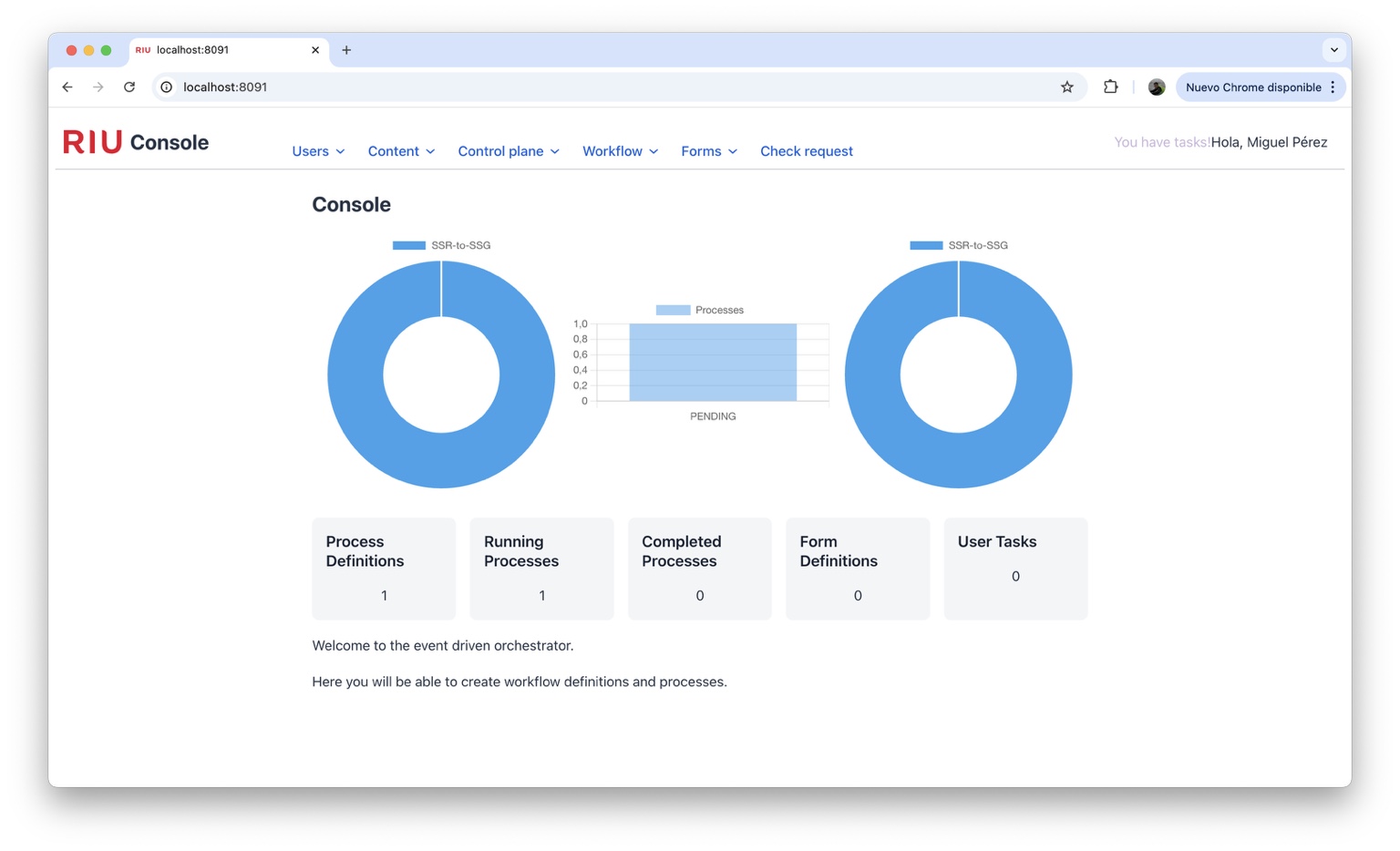
The important point is not just the styling.
It is that the user experiences one application, even though different parts come from different services.
2. Navigation across services
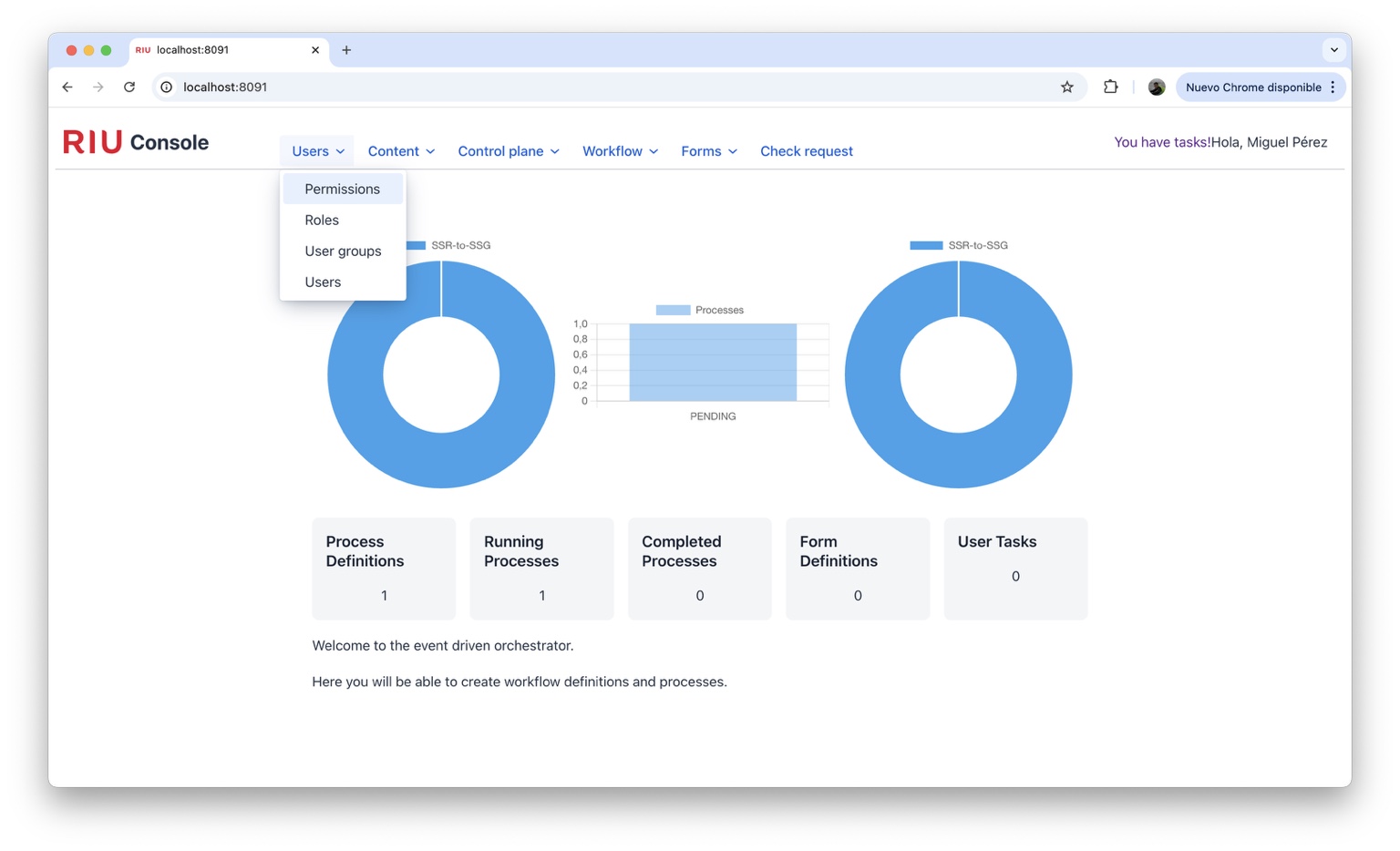
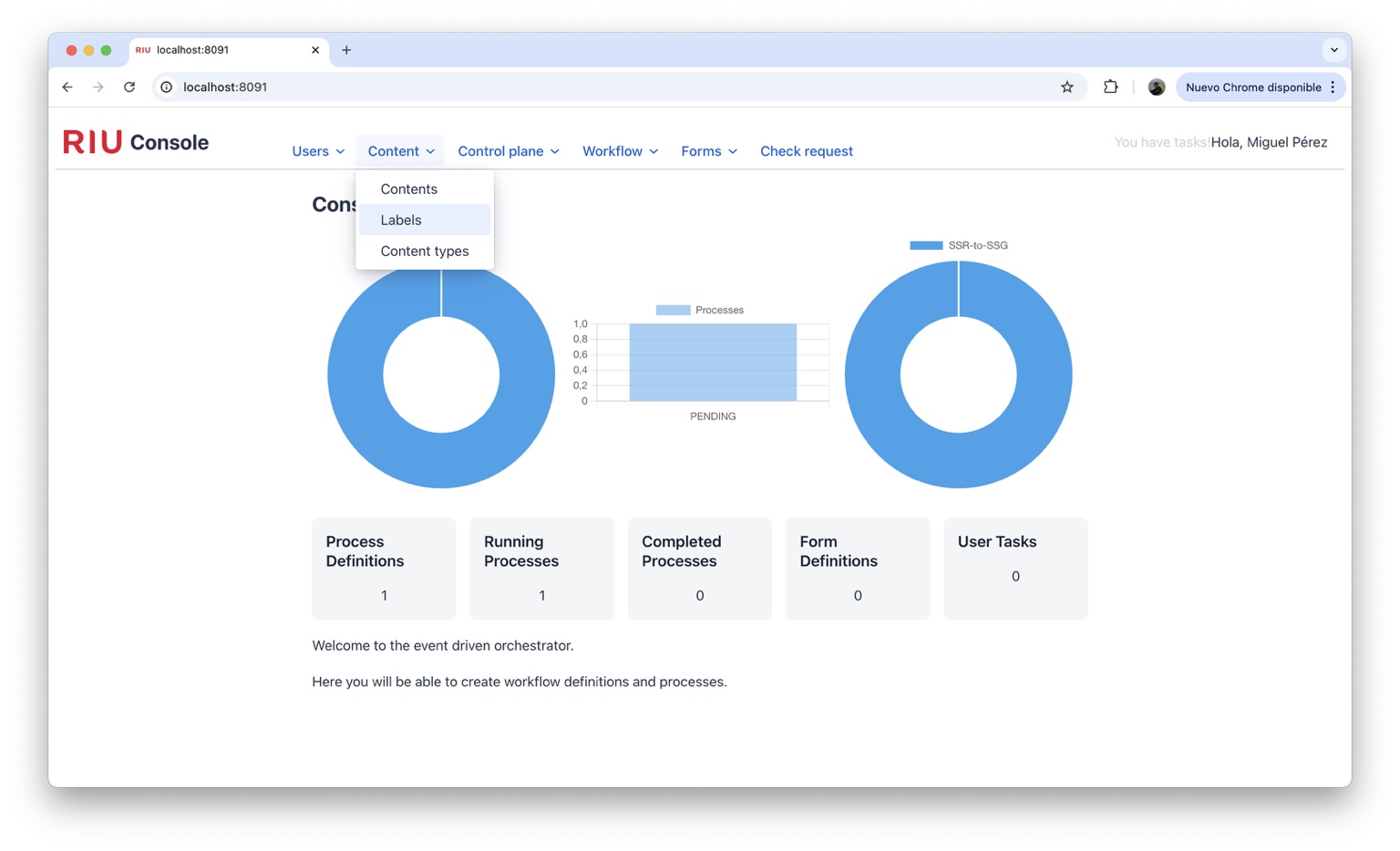
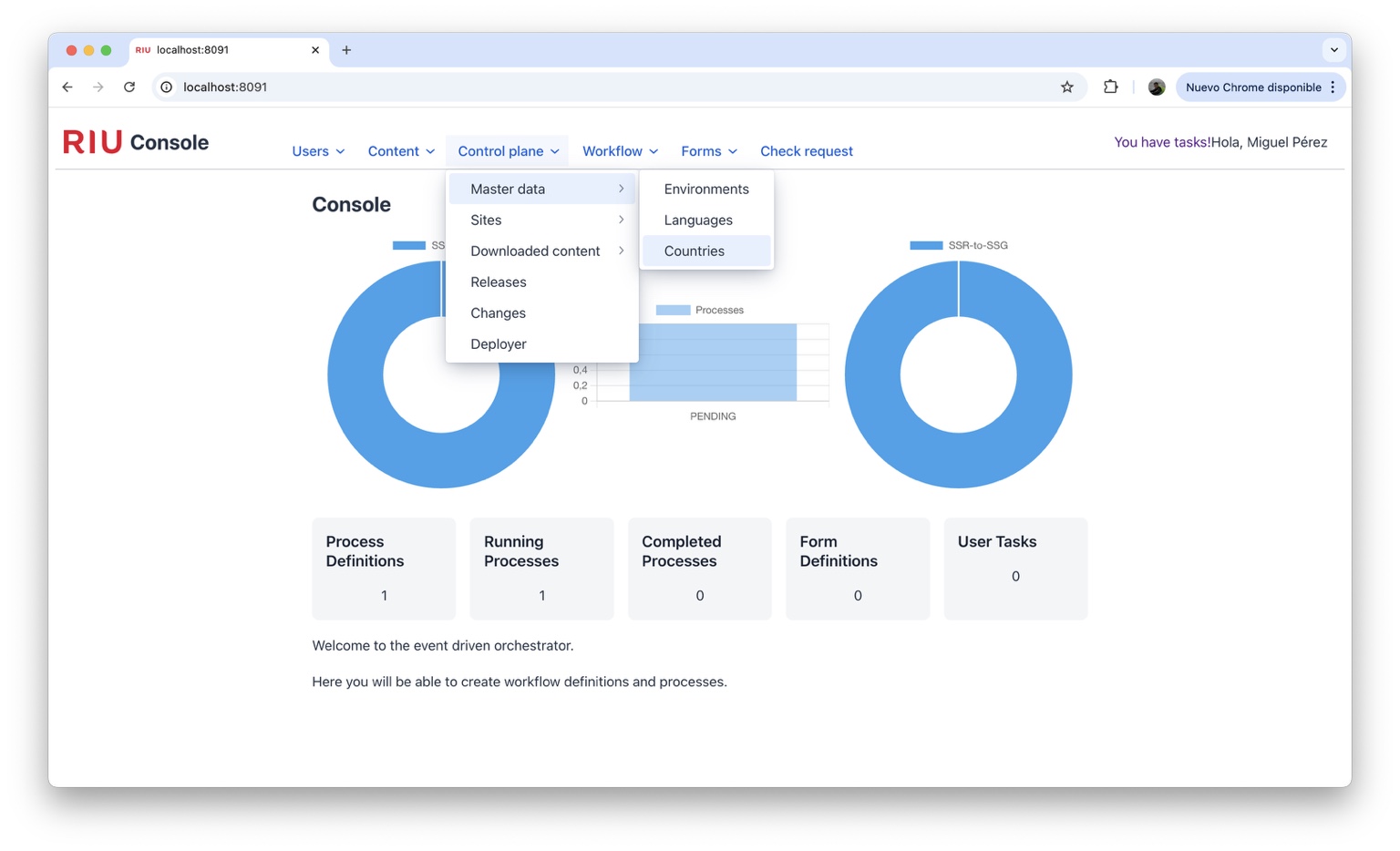
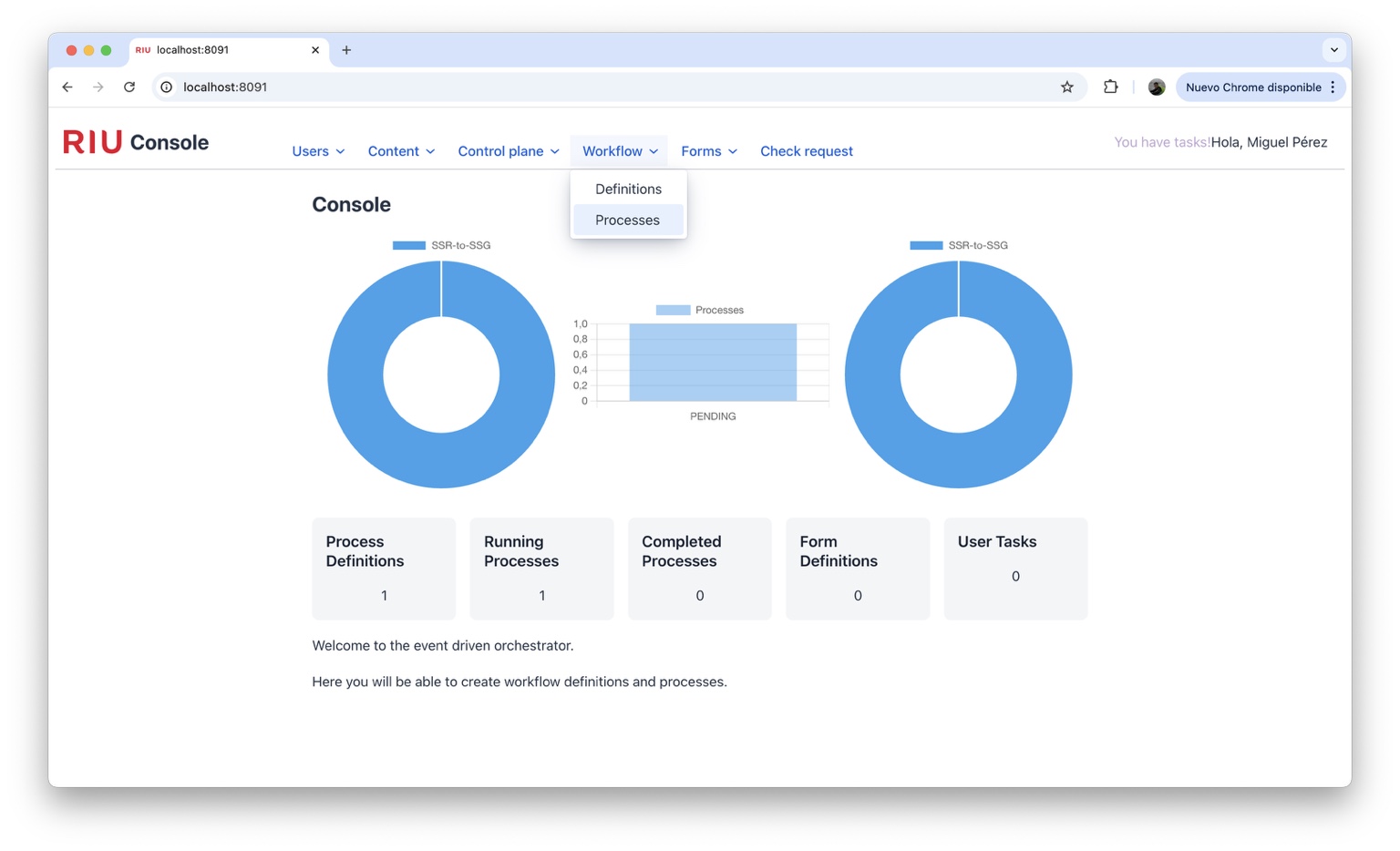
The shell exposes a single navigation system, but each section can come from a different service.
Users menu
Content menu
Control plane menu
Workflow menu
Forms menu
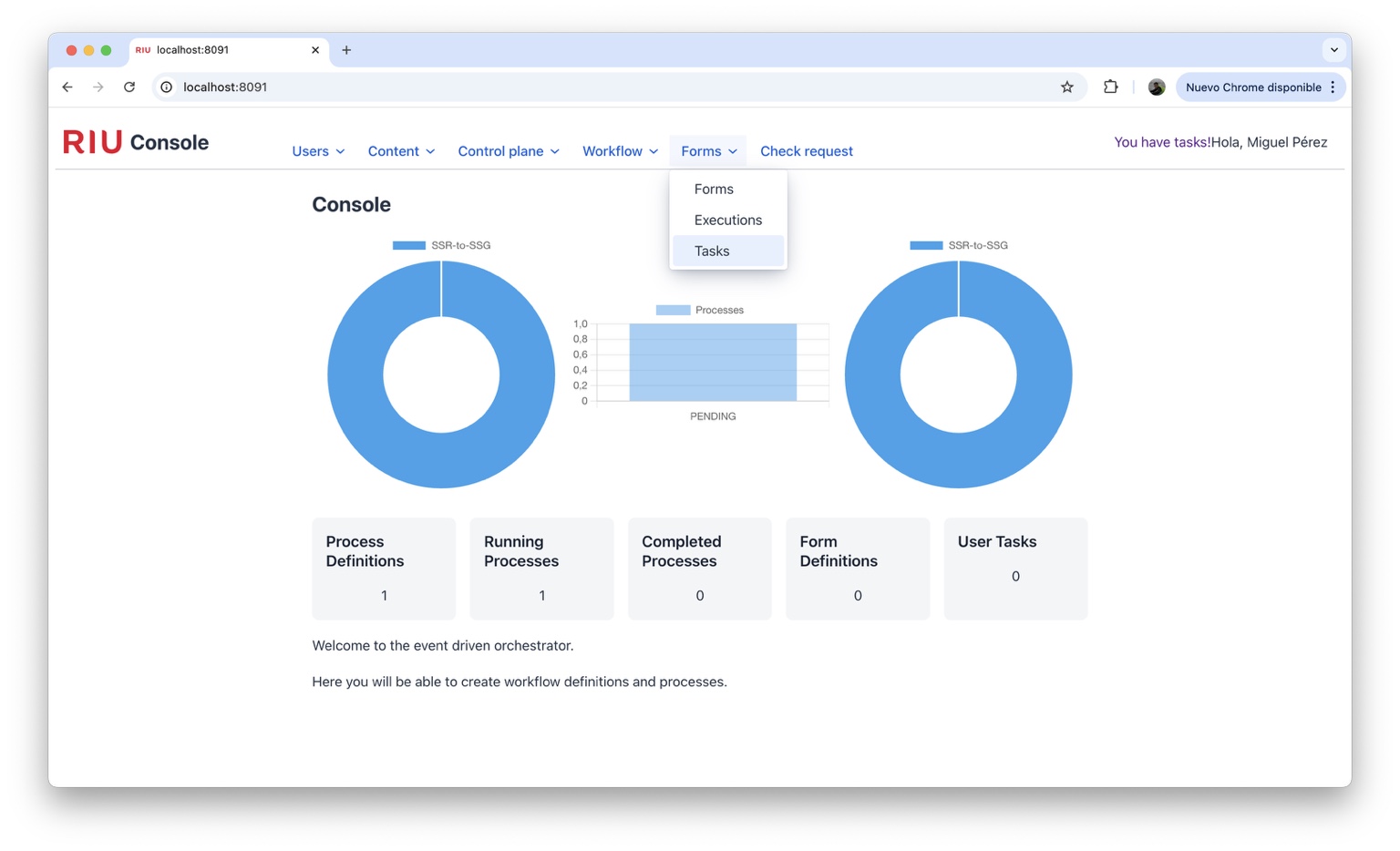
This is the key architectural point:
- the shell owns the composition
- each domain owns its own UI module
3. Example modules
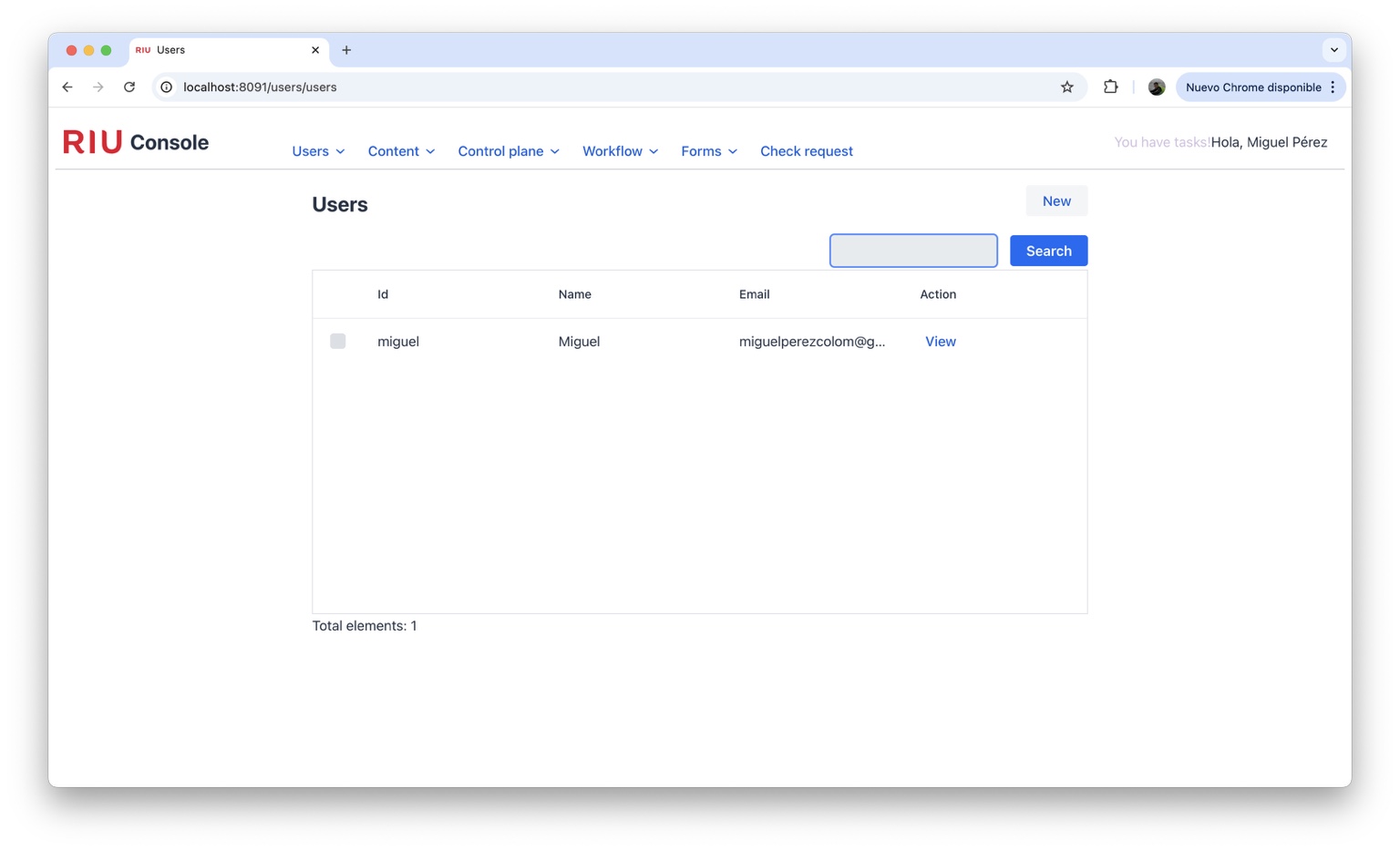
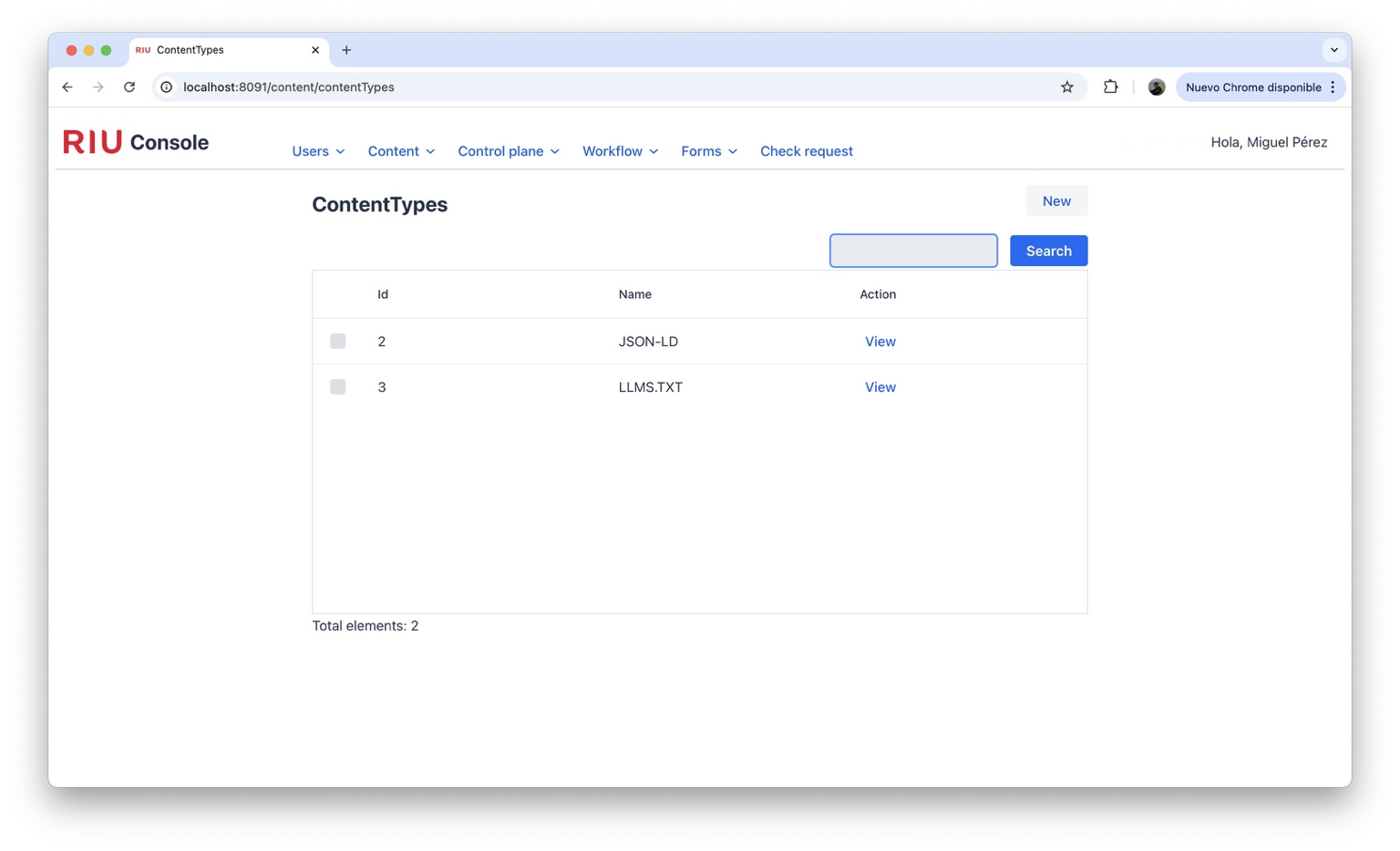
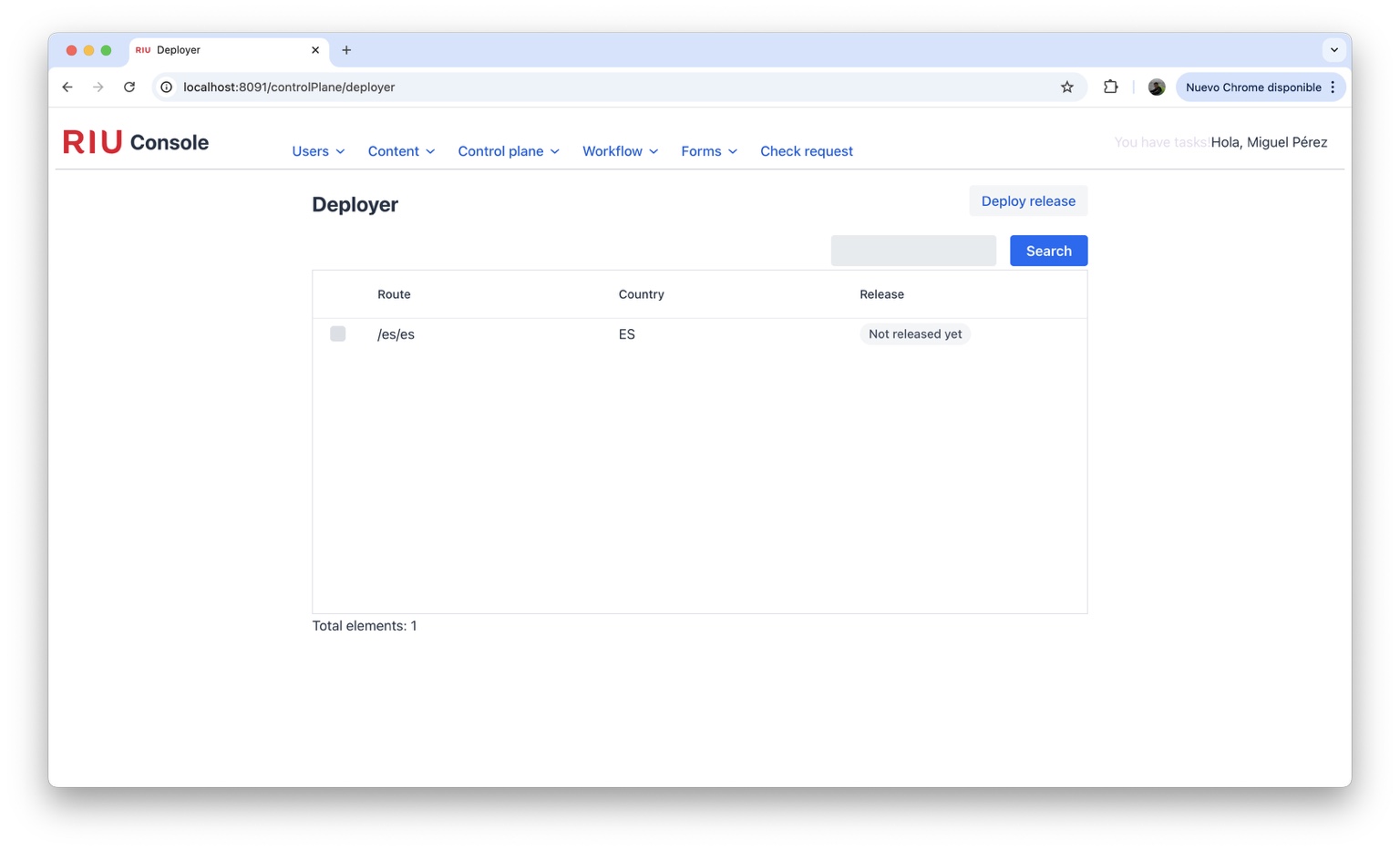
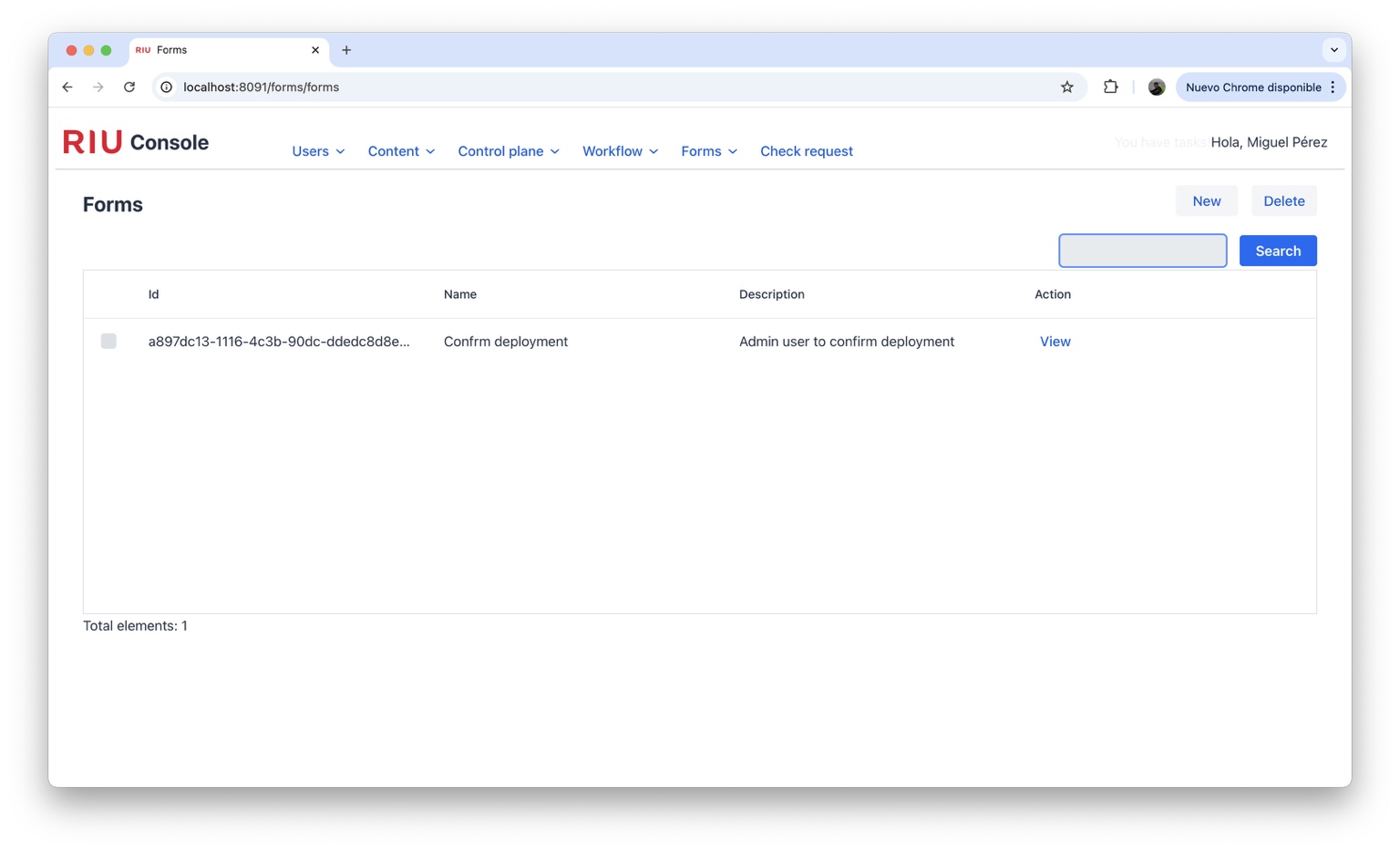
Each module is owned by a different service but rendered inside the same shell.
Users module
Content module
Control plane module
Forms module
Workflow module
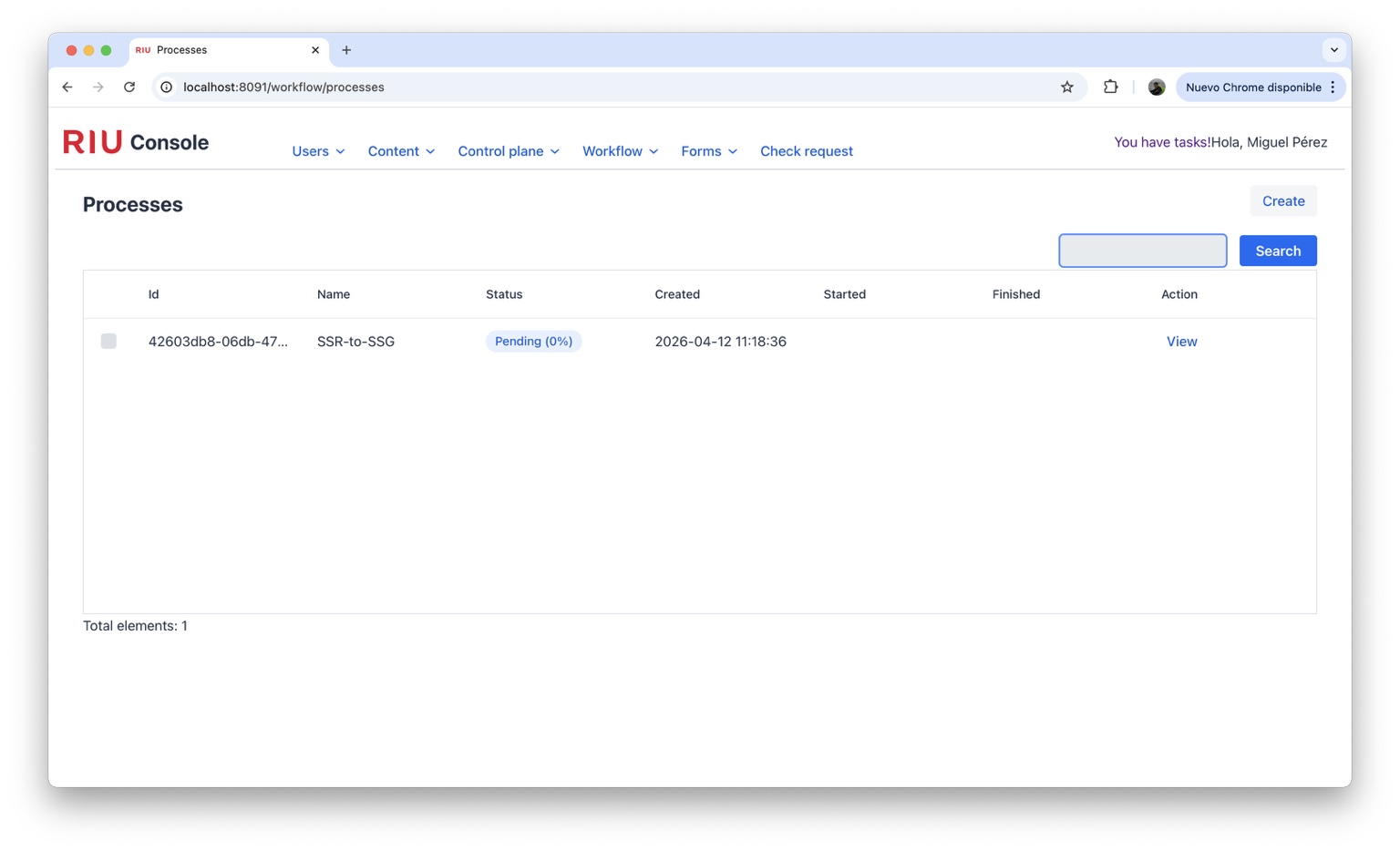
These screenshots matter because they show the actual outcome:
- one shell
- many domains
- consistent user experience
- independent module ownership
Minimal shell example
@UI("")
@PageTitle("Backoffice")
public class ShellHome {

  RemoteMenu users = new RemoteMenu("Users", "http://localhost:8081", "/users");
  RemoteMenu content = new RemoteMenu("Content", "http://localhost:8082", "/content");

}
The shell defines the entry points and composes remote modules.
Minimal service example
@UI("/users")
public class Users extends AutoCrudOrchestrator<User> {

  @Override
  public AutoCrudAdapter<User> simpleAdapter() {
    return new UsersAdapter();
  }

}
Each service exposes its own UI in the same way it would expose its own business logic.
Ownership model
| Concern | Owner |
|---|---|
| Users UI | users-service |
| Content UI | content-service |
| Workflow UI | workflow-service |
| Forms UI | forms-service |
| Navigation | shell |
| Security | shell |
This is one of the best ways to explain the benefit to a team.
Mateu lets UI ownership follow service ownership.
Mental model
- each service = UI + logic
- shell = composition + navigation
- user sees one app
- organization keeps multiple owners
When to use this
This pattern is a strong fit for:
- microservices architectures
- large teams
- bounded contexts
- enterprise backoffices
- platforms where different domains evolve independently